




Trauma processing
Sometimes a negative experience lingers, even if it happened a long time ago. You may be startled, sleep poorly, or be overwhelmed by memories. With these treatments, you process what happened so that it holds you less in its grip.

EMDR therapy
EMDR is a recognized treatment for processing traumatic memories, included in the Dutch Mental Health Care guideline for PTSD. Many people notice a difference after a few sessions. Read more about EMDR therapy.
Read more

EMDR for children aged 6 to 12
Children, too, can get stuck after a traumatic experience. We adapt EMDR to their age using drawings, stories, or play. View EMDR for children.
Read more
EMDR for toddlers and preschoolers aged 2 to 6
For the youngest children, we work in a playful and brief manner, and parents are closely involved. This way, your child processes a traumatic event in a way that suits his or her age. Read about EMDR for toddlers and preschoolers.
Read more
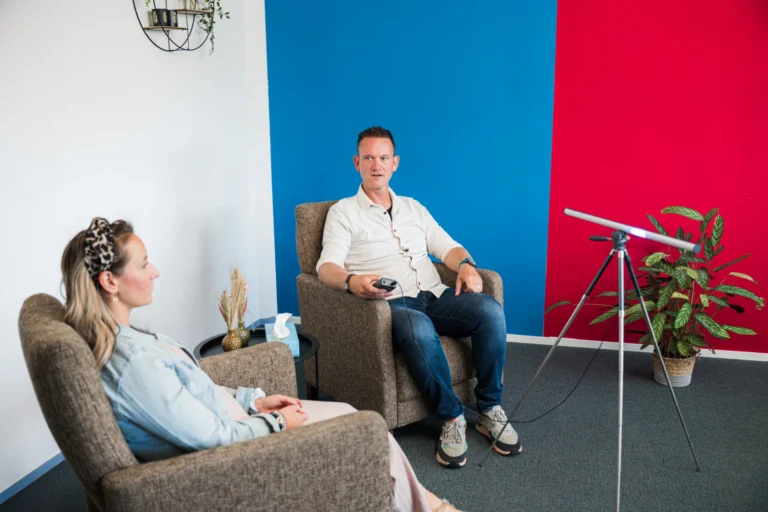
FNS treatment
Do you have symptoms such as loss of strength, involuntary movements, or seizures that cannot be easily explained medically? With a functional neurological disorder (FND), we look at your symptoms as well as your life story. More about FND treatment.
Read more

Crisis interventions
Is the tension running so high that you have lost perspective? With a short-term, intensive approach, we help you regain stability and look at the next step together. Read about crisis interventions.
Read more
Talk therapy
In talk therapy, you explore how you think, feel, and react together with your therapist. You discover which patterns perpetuate your symptoms and learn to deal with them differently. We often use these forms in individual therapy.
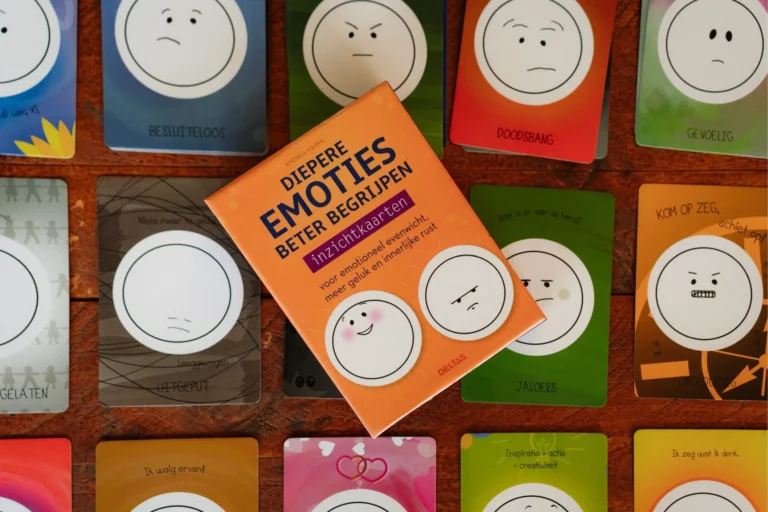
Cognitive behavioral therapy
In cognitive behavioral therapy (CBT), you discover how your thoughts, feelings, and behavior interact. You learn to recognize and break negative thought patterns. Read more about cognitive behavioral therapy.
Read more
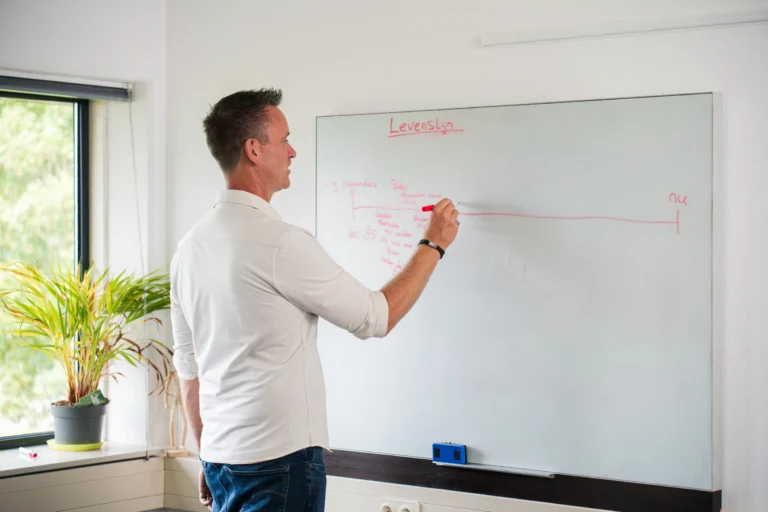
ACT therapy
ACT stands for Acceptance and Commitment Therapy. You stop fighting difficult thoughts and start living more in accordance with what is important to you. View ACT therapy.
Read more
Schema therapy
Schema therapy deals with deep-seated beliefs from your childhood that still affect you today. You learn to recognize and break those patterns. Read about schema therapy.
Read more

RET therapy
RET stands for Rational Emotive Therapy. You learn to transform unhelpful thoughts into helpful beliefs, so that your emotions become less intense. More about RET therapy.
Read more
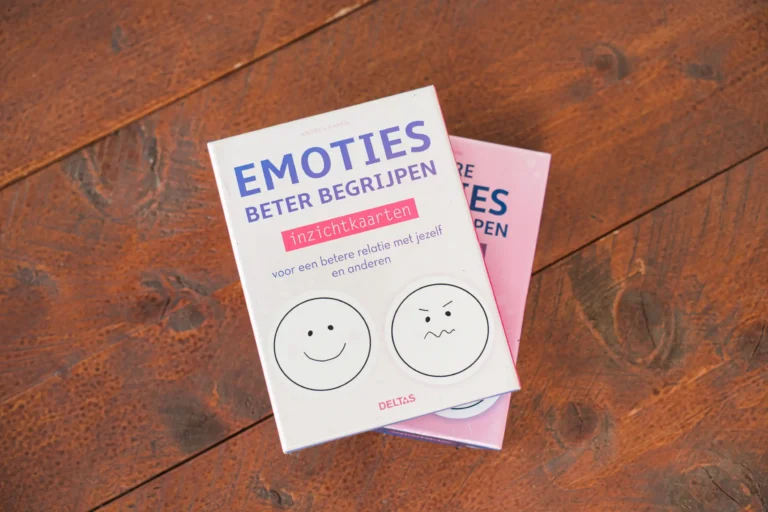
Emotion regulation therapy
In Emotion Regulation Therapy (ERT), you learn to recognize, understand, and manage emotions. This way, they no longer overwhelm you. Read about Emotion Regulation Therapy.
Read more
Psychoeducation
You will receive an explanation of the origins of anxiety, stress, or depression, and what causes these symptoms to persist. Understanding what is happening often brings peace of mind. View psychoeducation.
Read more
Children and creative
Not everything can be captured in words, especially with children. Through play, drawing, or reflection, space is created for feelings that are difficult to name.

Play therapy
Children up to 12 years old process and express through play what they cannot yet say. It is a safe, playful way to give tension and unpleasant experiences a place. Read more about play therapy.
Read more
Art therapy
What you find difficult to put into words, you express through drawing, painting, or sculpting. Art therapy is suitable for children, adolescents, and adults. View art therapy.
Read more

Mirror therapy
Does your child's behavior evoke strong feelings in you, such as irritation or sadness? Mirror therapy helps parents understand what their child is unconsciously showing, and what that says about themselves. Read about mirror therapy.
Read more
Relationship and training
Complaints are rarely isolated from the people around you. These treatments focus on relationships, your loved ones, and practical skills for daily life.

Relationship therapy
Are you stuck in recurring arguments or talking past each other? Relationship therapy helps couples find connection again, with one or two therapists. Read more about relationship therapy.
Read more
Family therapy
Is someone close to you experiencing mental health issues? Family therapy helps you understand what is going on and how to provide support without losing yourself. View family therapy.
Read more
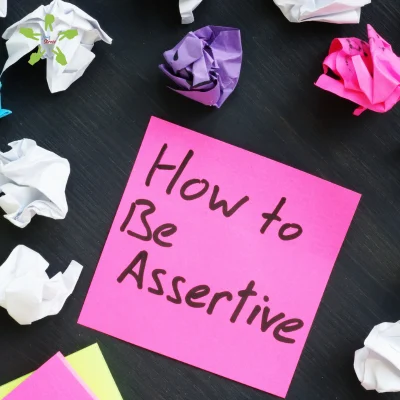
Assertiveness training
You learn to set boundaries, speak your mind, and stand up for what you need, without conflict or guilt. Read about assertiveness training.
Read more

Help with planning and organizing
Do you struggle with structure and overview, at home, at school, or at work? We help you with practical tools that suit you. More about help with planning and organizing.
Read more
Do you want to work intensively on yourself or your relationship for a few days? Then also check out our retreats.
Which individual therapy suits you?
You don't have to choose for yourself. Many people know what they feel, but not which treatment goes with it. This is how we help you choose:
- Start with your complaint. On the page asking for help You will find which treatments are often suitable per topic.
- Sign up. You do not need to select a treatment in the form. A brief description of what is going on is sufficient.
- Choose together during the intake. You will have an intake appointment within 3 weeks. During this session, we will assess what suits you and create a tailored plan.
You can read more about how a treatment proceeds at our method. You can take all treatments at Zwaagdijk-Oost or Tuitjenhorn, and most also via online therapy.
Frequently asked questions about treatments
What is individual therapy?
In individual therapy, you work one-on-one with a therapist on your complaints or questions. This can involve stress, anxiety, depression, trauma, or low self-esteem. With us, you have one dedicated therapist from the intake to the end. We combine various forms, such as talk therapy and EMDR, tailored to your needs.
Can you combine different treatments?
Yes, and we do that often. With the WEEBER® method, we utilize multiple forms of therapy within a single session. For example, you can work on your thoughts and an unpleasant memory in the same conversation. If it turns out along the way that a different form is a better fit, you can simply stay with us for that. Everything is under one roof.
Can I also take a treatment online?
Most treatments, including EMDR, can be followed online via a secure video connection. This is convenient if you live further away or prefer to work from home. Play therapy and art therapy for young children are usually conducted at the practice. During the intake, we will discuss together what works best for you.
How much does a treatment cost?
That depends on the treatment, the number of sessions, and whether you work with one or two practitioners. JongStressVRIJ is a private practice, so basic health insurance does not cover it. An intake interview costs €85 and all sessions last 60 minutes. You can find all amounts on the page. investment and rates.