



Table of contents
Do you recognize this?
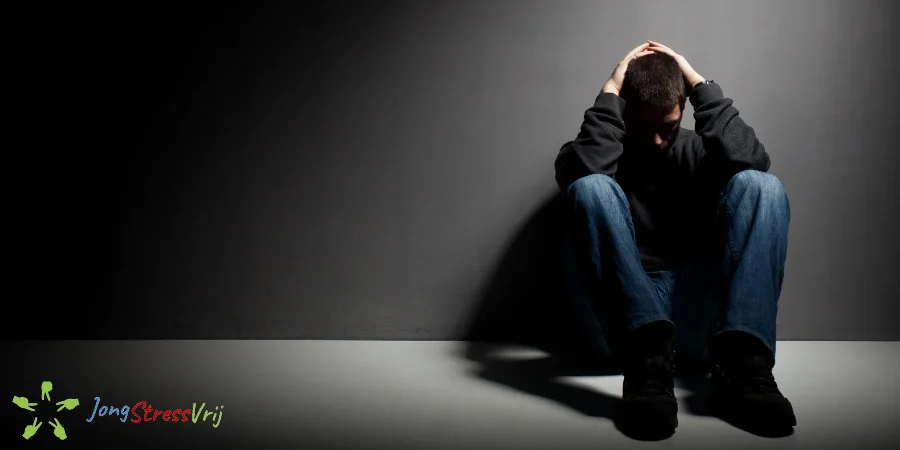
Anxiety and panic look different for everyone. Many people recognize a number of these signs:
- You are easily startled or often feel afraid, even when there is no clear reason.
- You experience sudden attacks with palpitations, sweating, trembling, dizziness, or shortness of breath.
- You are afraid of the fear itself: what if it happens again?
- You avoid places or situations, such as crowded shops, the train, or a birthday party.
- You want less contact with other people and prefer to stay at home.
- You have been tense or irritable for weeks and have difficulty concentrating.
- You sleep poorly or suffer from hyperventilation.
- You often seek reassurance, from your GP, on the internet, or from people around you.
- You are quicker to turn to alcohol, drugs, sleeping pills, or tranquilizers to numb the tension.
Do you recognize yourself in this? Then you are certainly not alone. Anxiety disorders are common, among young people and adults. And they are highly treatable.
What is anxiety and what is a panic attack?
Anxiety is your body's natural alarm system. It puts you on high alert so you can fight or flee if danger threatens. With anxiety, that alarm also goes off when there is no real danger, or much louder than necessary.
A panic attack is a sudden wave of very intense fear, which usually peaks within a few minutes. Your body reacts as if you are in mortal danger. Your heart races, you breathe rapidly and shallowly, and you may feel like you are going to faint, go crazy, or die. No matter how scary it feels, a panic attack itself is not dangerous and subsides on its own.
Anxiety, panic, or an anxiety disorder?
Everyone is afraid sometimes. That is healthy. An anxiety disorder is diagnosed when the fear persists for a long time, severely restricts your daily life, and causes you to increasingly avoid situations. Common forms include panic attacks, social anxiety, constant worrying about everything, and phobias, such as fear of heights or a fear of needles.
We do not make diagnoses or attach labels. What matters to us is what you experience and what you need. Do you want an official diagnosis, for example because medication is being discussed? Then your GP is the first step.
Where does fear come from?
To you, a panic attack often seems to come out of nowhere. Usually, that is not the case. Your body has often been giving signals for some time, which you may have suppressed because life simply went on. Often, several factors play a role:
- Prolonged stress. If you are under tension for a long time, your alarm system becomes hypersensitive. Read also about stress and tension complaints.
- Unpleasant or traumatic experiences. An accident, a loss, bullying, or another shocking event can leave behind fear, sometimes not until years later. Read more about trauma.
- Disposition and sensitivity. Some people naturally react more strongly to stimuli and tension.
- Learned patterns. If you grew up surrounded by many worries, you can adopt that way of looking at the world.
- Physical factors. Drinking a lot of coffee, sleeping poorly, drinking alcohol, or using drugs can significantly worsen anxiety symptoms.
The vicious circle of avoidance
After a panic attack, all you want is for it never to happen again. That is logical. So you avoid the place where it happened, and perhaps later places that resemble it as well. Every time you avoid something, you feel a brief sense of relief. But your brain also learns: this was dangerous, it was good that we stayed away. In this way, your world shrinks and the fear grows. With the right help, you can break out of that cycle.
What can you do yourself to combat anxiety and panic?
You can do a lot yourself to reduce anxiety symptoms and prevent them from getting worse. These five steps help many people:
- Ensure a solid foundation. Exercise every day, eat well, get enough sleep, and maintain a regular daily routine. A well-rested body reacts less intensely to stress.
- Less coffee, no alcohol or drugs. Caffeine can cause palpitations and restlessness that mimic anxiety. Alcohol and drugs temporarily dampen the tension, but usually make anxiety worse in the long run.
- Breathe out slowly. Do you feel panic rising? Breathe in calmly through your nose and exhale longer than you inhale. This helps your body come out of alarm mode. Gasping for air quickly and deeply actually makes it worse.
- Let the wave come and go. Do not try to fight a panic attack. Tell yourself: "This is panic, it is unpleasant, but not dangerous, and it will pass." Those who allow the wave to come often find that it subsides more quickly.
- Seek support and keep moving. Call someone you trust, go for a walk, or do something that relaxes you. Don't avoid stressful situations entirely, but seek them out again in small steps.
Does fear continue to limit your life, despite these steps? Then it is time for help. That is not a failure, but a wise choice.
This is how we help you: tailored therapy
Panic and anxiety symptoms are highly treatable. At JongStressVRIJ, we start with your story. Together, we map out the situations in which the anxiety or panic arises. We often also create a life line: a timeline of the important events in your life. This helps us discover when the symptoms originated and what continues to fuel them.
After that, we create a plan together. You gain insight into how your anxiety works and what you can do to move freely again. We do not work with a standard protocol. You have one dedicated therapist who knows you and your story.
Depending on what suits you, we use these treatments, for example:
- Cognitive behavioral therapy. You learn to recognize anxious thoughts and test them against reality. Then, you practice step by step with situations you currently avoid, so that you experience that you can handle them.
- EMDR therapy. Did your anxiety begin after a traumatic event, or does a panic attack still linger as a vivid memory? EMDR helps to process such a memory, so that it carries less emotional charge. It is a recognized treatment, included in the Dutch Mental Health Care guideline for PTSD.
- Psycho-education. You will receive an explanation of what happens in your body and brain when you experience anxiety. Simply understanding why your heart races so much often reduces the fear of fear itself.
This all falls under the WEEBER® method, our own approach that combines multiple forms of therapy in a single session. We help children, adolescents, adults, and families.
There is no waiting list. You can expect an intake within 3 weeks, and you do not need a referral from your GP. You can visit one of our two practices in Zwaagdijk-Oost or Tuitjenhorn, or you can choose online therapy via a secure video connection. The latter is nice if the threshold for leaving the house is still high at the moment.
Experiences with therapy for anxiety and panic
Clients rate JongStressVRIJ a 5.0 out of 66 Google reviews.
Frequently asked questions about anxiety and panic
What happens during therapy for anxiety and panic?
In therapy for anxiety and panic, you explore together with your therapist how your anxiety works. When does it arise, what do you think then, what does your body do, and what do you avoid? Afterwards, you work on the underlying issues and practice step by step with situations you find frightening. With us, this can be done using cognitive behavioral therapy, EMDR, or psychoeducation, all within the WEEBER® method.
Can a panic attack be dangerous?
A panic attack feels very threatening, but is not dangerous in itself. Your body goes into alarm mode and then calms down again on its own. However, if you experience symptoms such as chest pain or shortness of breath, do see your GP first. They can rule out physical causes. After that, you will be more certain that it is anxiety, which makes treatment easier.
How can I stop anxious thoughts?
Almost no one manages to truly stop thoughts. The harder you try, the more often they return. What does help is noticing them without getting caught up in them. Name the thought ("there is that 'what-if' thought again") and bring your attention back to what you are doing. Exhaling calmly helps your body with this. In therapy, you also learn to test anxious thoughts: how likely is it really?
Does EMDR help with anxiety?
EMDR is particularly helpful if your anxiety is linked to one or more unpleasant experiences. Think of an accident, a severe panic attack in a specific location, or a frightening event in your childhood. During EMDR, you recall the memory while your attention is also focused on something else, such as a moving light or tapping. As a result, the memory often loses its sharp emotional charge. A session lasts 60 minutes.
How long does therapy for anxiety or panic last?
That varies from person to person. It depends on how long the symptoms have been present, how severe they are, and what lies beneath them. Many people notice a difference after a few sessions, for example, because they understand their panic better and are less frightened by it. We evaluate regularly together and determine in consultation when you have enough tools to continue on your own.
Can my child or teenager also come to you for anxiety?
Yes. Children and adolescents can also suffer greatly from anxiety, for example about school, the dark, saying goodbye, or what others think of them. With young children, we work in a playful way, using drawing, play, or stories. We involve parents in the treatment. This way, you know how to support your child at home without unintentionally making the anxiety worse.
Is treatment for anxiety covered?
JongStressVRIJ is a private practice. Therefore, the treatment is not covered by basic health insurance. No file will be kept with your health insurer. You can read what a session costs on our page about investment and rates.